
Web Designing
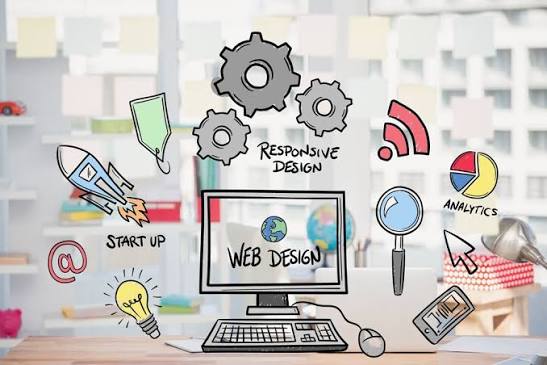
Web designing in WordPress is the process of creating attractive, functional, and user-friendly websites using the WordPress content management system. It allows businesses, freelancers, bloggers, and organisations to build professional website. With thousands of themes, plugins, templates, and customisation options, WordPress makes it possible to design websites such as business websites, portfolios, blogs, e-commerce stores, and service websites according to specific brand and audience requirements. A good WordPress website design focuses on important elements such as responsive design, easy navigation, fast loading speed, clear call-to-action buttons, search engine optimisation, high-quality content, consistent branding, and a visually appealing layout. Designers can customize colors, typography, images, menus, headers, footers, and page structures to create a unique online presence. Plugins can also add powerful features such as contact forms, SEO tools, security, social media integration, analytics, and online shopping functionality. WordPress web design combines creativity with technology, helping businesses create websites that not only look professional but also provide a smooth user experience and support important goals such as generating leads, building brand awareness, improving search engine visibility, and increasing conversions.
Web design in WordPress is one of the most popular and practical ways to create professional, responsive, and user-friendly websites without building every element from scratch through complex coding. WordPress provides a flexible content management system that allows businesses, freelancers, bloggers, and organisations to design and manage websites according to their specific goals. A WordPress website can be created using themes, templates, page builders, plugins, widgets, and custom design elements, making it possible to develop everything from a simple personal portfolio to a large business website or e-commerce platform. Modern WordPress web design focuses not only on attractive visuals but also on user experience, mobile responsiveness, website speed, navigation, accessibility, and search engine optimisation. Designers can customise layouts, typography, colours, images, buttons, menus, headers, footers, and interactive sections to create a unique digital identity for a brand. Page builders such as Elementor and the native WordPress block editor make it easier to design pages visually, while plugins can add advanced features such as contact forms, SEO tools, security, analytics, booking systems, social media integration, and online stores. A well-designed WordPress website should load quickly, work smoothly across desktops, tablets, and smartphones, and guide visitors naturally toward important actions such as contacting a business, purchasing a product, or exploring services.
Search engine optimisation can also be integrated directly into the design process by using proper heading structures, optimised images, clean URLs, fast-loading pages, and SEO plugins. Another major advantage of WordPress web design is its scalability, as a website can grow alongside a business by adding new pages, features, blogs, services, or e-commerce functionality whenever needed. Regular updates, backups, security optimisation, and performance monitoring are also important parts of maintaining a successful WordPress website. Overall, WordPress web design combines creativity, technology, functionality, and digital marketing to build websites that not only look professional but also help brands establish credibility, attract the right audience, and achieve measurable business goals in the competitive online world. The WordPress web design process involves several important stages that work together to create a website that is visually attractive, functional, fast, user-friendly, and aligned with business goals.
The process usually begins with planning and understanding the purpose of the website, the target audience, the services or products being offered, and the actions visitors should take. During this stage, the website structure is planned by identifying important pages such as the Home page, About page, Services page, Blog page, Contact page, and any additional landing pages required for marketing or business purposes. The next step is choosing a suitable domain name and reliable web hosting provider, followed by installing WordPress and configuring the basic website settings. After the foundation is ready, a suitable WordPress theme is selected based on the required design style, performance, responsiveness, and customisation options. Designers can then customise the website’s colours, typography, layouts, navigation menus, headers, footers, images, and other visual elements to match the brand identity. Page builders and the WordPress block editor can be used to create custom sections and pages without extensive coding, allowing designers to build hero sections, service areas, portfolios, testimonials, call-to-action sections, contact forms, and other important website components.
The content creation stage is equally important because high-quality text, images, videos, and graphics help communicate the brand message and guide visitors through the website. Once the main design is completed, essential plugins can be installed to improve functionality, including tools for search engine optimisation, security, caching, contact forms, backups, analytics, social media integration, and e-commerce features where necessary. The website should then be optimised for mobile devices because a large percentage of visitors access websites through smartphones and tablets, making responsive design essential for a positive user experience. Website speed optimisation is another major stage and may include compressing images, using caching, minimising unnecessary plugins, optimising code, and choosing quality hosting. Search engine optimisation should also be considered throughout the design process by using a proper heading structure, optimised page titles and meta descriptions, internal links, descriptive URLs, image alt text, and clear content organisation. Before launching the website, thorough testing should be carried out to check links, forms, navigation, responsiveness, browser compatibility, loading speed, and overall functionality.