
Pay-Per-Click
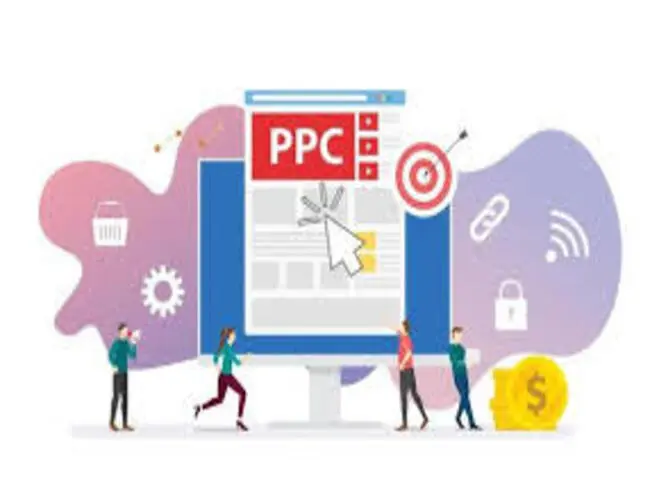
What Is Pay-Per-Click Advertising?
How Does PPC Advertising Work?
- Location and geographical areas
- Age and demographic characteristics
- Interests and preferences
- Search intent and keywords.
- Devices and operating systems
- Language and online behaviour
Popular PPC Advertising Platforms
- Google Ads: Helps businesses display advertisements on Google search results, YouTube, and partner websites.
- Microsoft Advertising: Allows businesses to reach audiences through Bing and Microsoft’s advertising network.
- Meta Ads: Enables businesses to advertise across Facebook and Instagram.
- LinkedIn Ads: Helps businesses reach professionals, decision-makers, and industry-specific audiences.
- Other Advertising Networks: Provide additional opportunities to reach targeted audiences through websites, mobile applications, and digital platforms.
Benefits of PPC Advertising
- Immediate Website Traffic: Generate website visitors without waiting for organic search rankings to improve.
- Lead Generation: Attract potential customers who are interested in specific products or services.
- Increased Sales: Promote products and services to audiences with strong purchase intent.
- Brand Awareness: Improve brand visibility across search engines and digital platforms.
- Audience Targeting: Reach specific audiences based on demographics, interests, location, and behaviour.
- Measurable Performance: Track campaign performance through detailed advertising analytics.
- Budget Control: Set advertising budgets and manage spending according to business requirements.
PPC Campaign Management and Performance Tracking
- Impressions: The number of times an advertisement is displayed.
- Clicks: The number of times users click on an advertisement.
- Click-Through Rate (CTR): The percentage of impressions that result in clicks.
- Cost Per Click (CPC): The average amount paid for each advertisement click.
- Conversion Rate: The percentage of users who complete a desired action.
- Cost Per Acquisition (CPA): The average cost of acquiring a customer or conversion.
- Return on Ad Spend (ROAS): The revenue generated compared with advertising expenditure.
Landing Page Optimisation and Conversion Rate Improvement
- Improving website loading speed.
- Creating clear and relevant headlines.
- Using attractive and persuasive call-to-action buttons.
- Ensuring mobile-friendly website design.
- Providing relevant information about products and services.
- Simplifying contact forms and conversion processes.
- Maintaining consistency between advertisements and landing page content.
A/B Testing and Automated Bidding Strategies
- Advertisement headlines and descriptions.
- Images and visual assets.
- Call-to-action buttons.
- Landing page layouts.
- Keyword combinations.
- Audience segments.
- Different bidding strategies.
Artificial Intelligence and Machine Learning in PPC Advertising
- Smart Bidding: Uses machine learning to adjust bids automatically based on the likelihood of achieving conversions.
- Audience Targeting: Analyses available audience signals to identify users who are more likely to interact with advertisements.
- Automated Ad Creation: Helps generate and combine different advertisement headlines, descriptions, and creative assets.
- Conversion Modelling: Estimates conversion activity when complete direct tracking information is unavailable.
- Performance Prediction: Analyses campaign data to identify potential performance improvements.
- Dynamic Ad Optimisation: Automatically adjusts advertisement combinations to improve relevance and performance.
Challenges of PPC Advertising
- High Advertising Costs: Competitive keywords can have expensive cost-per-click rates.
- Budget Wastage: Poor keyword selection and irrelevant audience targeting can consume advertising budgets without generating meaningful results.
- Strong Competition: Businesses often compete with multiple advertisers for the same keywords and audience segments.
- Continuous Optimisation: Campaigns require regular monitoring, testing, and performance improvements.
- Landing Page Issues: Poor website experiences can reduce conversion rates even when advertisements generate clicks.
- Click Fraud: Invalid or automated clicks can affect advertising expenditure and campaign performance.
- Tracking Limitations: Privacy regulations and technical restrictions can make accurate conversion measurement more challenging.
How can PPC advertising help my business grow in Ernakulam?
PPC places your business at the very top of Google and social media feeds the exact moment local customers search for your services. Whether you are targeting shoppers in Kochi, professionals around Kakkanad, or clients across Kerala, PPC drives immediate, high-intent traffic that converts into calls, store visits, and sales.
How is PPC different from SEO, and which one do I need?
PPC delivers instant visibility and fast leads as soon as your campaign goes live, while SEO builds long-term, organic authority over several months. Many growing businesses in Kerala use PPC for immediate cash flow and sales while investing in SEO for sustainable, long-term growth.
What budget do I need to start seeing results with PPC?
Your ideal ad spend depends on your industry, competition, and growth goals. Even with a modest starter budget, hyper-local targeting in Ernakulam ensures your money is spent only on relevant clicks within your service area, avoiding wasted spend on outside audiences.
Do I need a dedicated landing page for PPC ads?
While ads can point to your main website, a fast, mobile-friendly landing page tailored to your specific offer significantly boosts conversion rates. I can guide you on optimizing your existing pages or help structure high-converting landing pages for your campaigns.
How soon will I start getting leads or sales?
Most campaigns begin generating traffic and inquiries within the first few days of launch. Over the first 2 to 4 weeks, I analyze live performance data to refine keywords, ad copy, and landing pages to steadily lower your cost per lead.